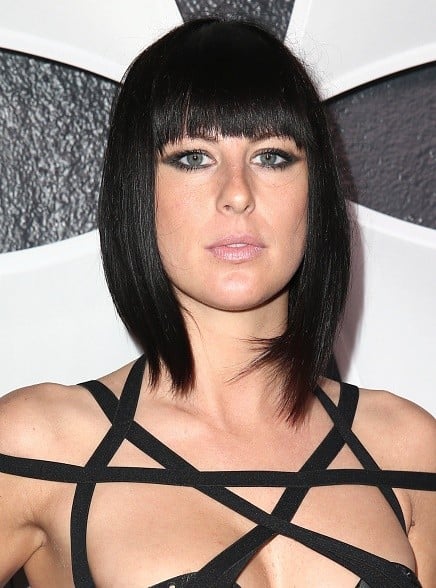
Sarah Barthel, the enigmatic vocalist and keyboardist behind the critically acclaimed electronic rock duo Phantogram, has carved out a unique and influential niche in the music industry. As of the latest assessment in late 2023, Sarah Barthel's net worth stands at an estimated $3 million. This impressive figure reflects not only her undeniable talent and creativity but also the enduring success of Phantogram, a band that has consistently pushed boundaries and captivated audiences worldwide. From her early days struggling with a visual arts degree to headlining major festivals, Barthel's journey is a testament to perseverance, artistic integrity, and the power of finding one's true calling. Let's delve into the fascinating story behind her rise to prominence and the financial milestones that accompany it.
From Visual Arts to Sonic Mastery: Sarah Barthel's Early Life and Creative Spark
Long before she became known for Phantogram's distinctive sound, Sarah Barthel's creative path took an unexpected turn. Born in the United States, Barthel initially harbored aspirations in the visual arts. She pursued a visual arts degree, attempting to immerse herself in a discipline she believed was her calling. However, as many artists discover, the reality of a formal education in the arts doesn't always align with individual passion. Barthel found herself increasingly dissatisfied with the structured environment and the specific demands of her visual arts studies, feeling a growing disconnect with the path she had chosen.
It was during this period of creative introspection and mild disillusionment that her long-standing friendship with Josh Carter, a bond forged during their junior high years, began to take on a new dimension. Their shared history and mutual understanding laid the groundwork for a creative partnership that would eventually blossom into Phantogram. While her visual arts degree didn't directly lead to a career in painting or sculpting, this initial artistic pursuit was far from a wasted effort. It likely honed her aesthetic sensibilities, her attention to detail, and her ability to conceptualize complex ideas—skills that are undeniably transferable to music production and performance. The discipline, or lack thereof from her perspective, of visual arts, inadvertently nudged her towards an even more profound and fulfilling artistic expression: music.
The turning point arrived when Barthel, alongside Carter, started exploring songwriting ideas in earnest around 2007. What began as a collaborative experiment between two friends quickly evolved into something far more significant. Barthel's natural inclination towards music, perhaps latent during her visual arts phase, ignited. Her frustration with traditional art forms gave way to the liberating potential of sound, melody, and rhythm. This shift underscored a crucial lesson for aspiring creatives: sometimes, the path to true success involves recognizing when a chosen direction isn't serving your core passion and having the courage to pivot. Her journey highlights that Phantogram's Sarah Barthel: Unveiling Her $3 Million Fortune wasn't just about making music, but finding the right creative outlet.
Phantogram's Ascent: Crafting a Unique Sound and Industry Impact
The formation of Phantogram in 2007 marked the beginning of an extraordinary musical journey. Sarah Barthel, as one-half of the duo, quickly became a pivotal figure, contributing her distinctive vocals, keyboard prowess, and songwriting talents. Alongside Josh Carter, Phantogram embarked on a mission to forge a sound that defied easy categorization. Their music is an intricate tapestry woven from electronic textures, the raw energy of rock, and the rhythmic complexity of hip-hop. This genre-bending approach wasn't merely a gimmick; it was an authentic expression of their diverse influences and a deliberate effort to create something fresh and innovative.
Phantogram's unique blend resonated deeply with audiences and critics alike. Their early work garnered significant attention, laying the foundation for a career characterized by consistent artistic evolution and commercial success. The band's ability to craft atmospheric, yet powerfully anthemic tracks, often laden with Barthel's haunting and evocative vocals, set them apart in an increasingly crowded music landscape. They proved that authenticity and innovation could lead to widespread appeal without sacrificing artistic integrity.
The duo's hard work and creative vision quickly translated into tangible success. Phantogram became a fixture at major music festivals across the United States, commanding stages and captivating large crowds with their dynamic live performances. Their ability to deliver a compelling show, combining intricate electronic arrangements with raw rock energy, cemented their reputation as a must-see act. Furthermore, their growing stature led to opportunities to support some of the biggest names in music, including acclaimed bands like The xx, the stadium-filling rock titans Muse, and the electronic pioneers The Glitch Mob. Sharing stages with such diverse and celebrated artists not only expanded Phantogram's reach but also underscored the broad appeal and respect their unique sound had earned within the industry. This consistent exposure and critical acclaim have been instrumental in building Sarah Barthel's net worth and solidifying Phantogram's place in modern music.
Deconstructing the $3 Million: How a Musician Builds Wealth
Understanding Sarah Barthel's net worth of approximately $3 million requires an appreciation of the diverse revenue streams available to successful musicians in the 21st century. Gone are the days when album sales alone dictated an artist's financial standing. Today, a robust musical career is built upon a portfolio of income sources, each contributing to an artist's overall wealth. For someone like Sarah Barthel, whose career spans over a decade of consistent output and touring, these streams accumulate significantly.
Key contributors to a musician's net worth typically include:
- Touring and Live Performances: This is often the most significant income generator for established bands. Headlining festivals, embarking on national and international tours, and playing sold-out venues generate substantial revenue from ticket sales, a portion of which goes directly to the artists after covering production and management costs. Phantogram's consistent presence on the festival circuit and extensive touring schedule have undoubtedly been major financial drivers.
- Album Sales and Streaming Royalties: While physical album sales have diminished, digital sales and, more critically, streaming royalties from platforms like Spotify, Apple Music, and Amazon Music contribute a steady, albeit often smaller per-stream, income. For a band with multiple successful albums and a dedicated fanbase, these royalties add up over time.
- Merchandise Sales: T-shirts, hoodies, vinyl, posters, and other branded merchandise sold at concerts and online are highly profitable. Fans often view merchandise as a way to directly support their favorite artists, making it a crucial revenue stream.
- Sync Licensing: A major contributor to modern musicians' wealth comes from licensing their music for use in films, television shows, commercials, video games, and advertisements. Phantogram's moody, atmospheric tracks are particularly well-suited for visual media, and placements in high-profile productions can lead to significant one-time fees and ongoing royalties.
- Endorsements and Partnerships: As artists gain prominence, opportunities for brand endorsements or partnerships with companies relevant to their lifestyle or aesthetic can arise, providing additional income.
- Publishing Royalties: As a songwriter, Sarah Barthel earns publishing royalties whenever her compositions are performed publicly (radio, TV, live concerts), streamed, or reproduced. These royalties are distinct from recording royalties and can be a substantial, long-term source of income for prolific songwriters.
It's important to note that the music industry also involves significant expenses, including production costs, touring staff, management fees (typically 15-20% of gross income), legal fees, and marketing. However, for a band like Phantogram, which has maintained creative control and built a loyal following, the net profit from these diverse channels has allowed Sarah Barthel to accumulate her impressive net worth. Her journey exemplifies that a multi-faceted approach to monetization is essential for sustained financial success in the modern music landscape.
Beyond the Music: Sarah Barthel's Influence and Future Endeavors
Sarah Barthel's impact extends beyond the numbers on a balance sheet. As a prominent female vocalist and keyboardist in the electronic rock genre, she serves as an inspiration for aspiring musicians, particularly women, looking to make their mark in a sometimes male-dominated industry. Her distinctive style, both musically and aesthetically, has helped define Phantogram's unique brand, showcasing how individuality and authenticity can lead to lasting success.
Barthel's work with Phantogram has consistently pushed creative boundaries, influencing a generation of artists who blend genres and experiment with soundscapes. Her commitment to evolving Phantogram's sound, coupled with her powerful stage presence, ensures that the band remains relevant and exciting. While the music industry is constantly changing, Phantogram's foundation of strong songwriting and innovative production, with Barthel at its core, positions them for continued success.
Looking ahead, the future for Sarah Barthel and Phantogram remains bright. The duo continues to explore new sonic territories, promising further captivating releases and unforgettable live performances. Whether through new Phantogram albums, potential collaborations, or even individual projects, Barthel's artistic journey is far from over. Her legacy is not just about the millions she has accumulated but about the millions of listeners she has touched with her voice, her melodies, and her unwavering artistic vision.
Conclusion: Sarah Barthel's journey from a disillusioned visual arts student to a successful musician with an estimated net worth of $3 million in 2023 is a powerful narrative of passion, collaboration, and relentless artistic pursuit. As a vital half of Phantogram, she has not only contributed to a unique and influential sound but has also built a sustainable career through diverse income streams common to the modern music industry. Her story continues to inspire, proving that authenticity, a strong creative partnership, and a willingness to pivot can lead to both critical acclaim and significant financial success in the competitive world of music.
